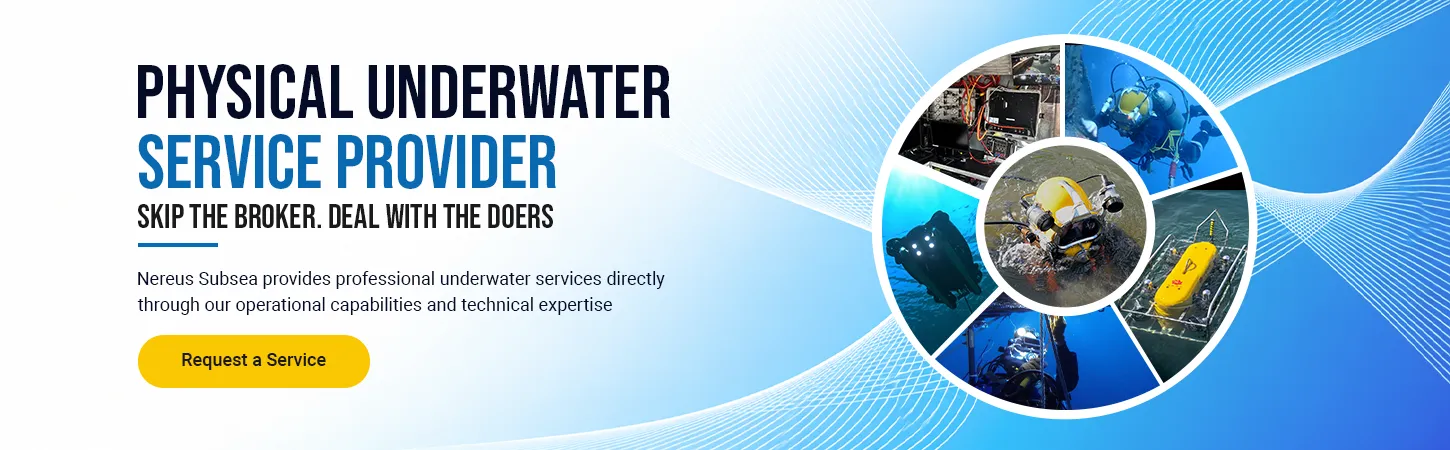
Nereus Subsea is equipped with state-of-the-art technology and tools to provide efficient and effective underwater hull cleaning in Singapore. With our services, you can rest assured that your vessel will be in top condition, and you can focus on your operations without any interruptions.
If you're looking for top-quality hull cleaning services in Singapore, look no further than Nereus Subsea. Contact us today to learn more about our underwater hull cleaning services which also include cleaning and maintenance of bulbous bow boards in ships.
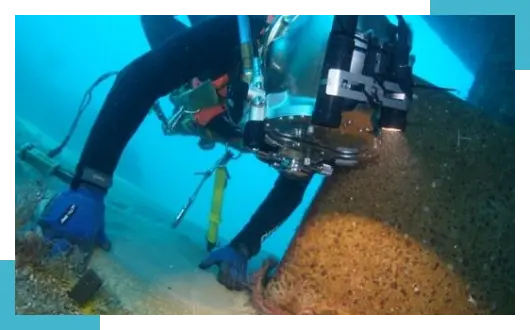
Over time, biofouling can accumulate on the hull and propeller, causing deterioration in performance and potentially leading to mechanical damage. That's why routine underwater hull cleaning is so important. Underwater hull cleaning services like cleaning and maintenance of bulbous bow boards in ships are crucial for maintaining the performance and integrity of your vessel.
At Nereus Subsea, we offer top-quality underwater hull cleaning Singapore to help you maintain the health and efficiency of your vessel. Our team is equipped with the latest technology and tools to provide efficient and effective hull cleaning services.
By keeping your vessel's hull and propeller clean, you can ensure that it operates at its best, with improved energy efficiency and reduced drag. This can result in significant cost savings over time, as you'll require less fuel to operate your vessel and can optimise journey times.
Additionally, studies have shown that an idle vessel tends to gather more biofilm, making routine underwater hull cleaning even more crucial for maintaining your vessel's integrity and performance.
If you're in need of high-quality underwater hull cleaning services in Singapore, Nereus Subsea is here to help. Contact us today to learn more about how we can help you maintain your vessel's health and efficiency through our expert hull cleaning services
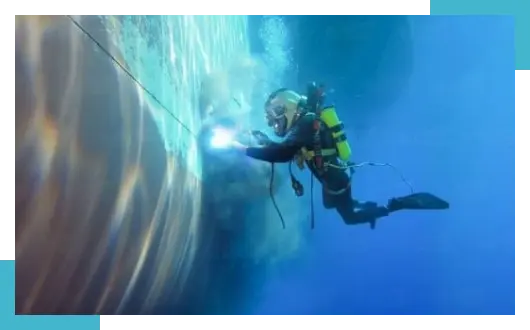
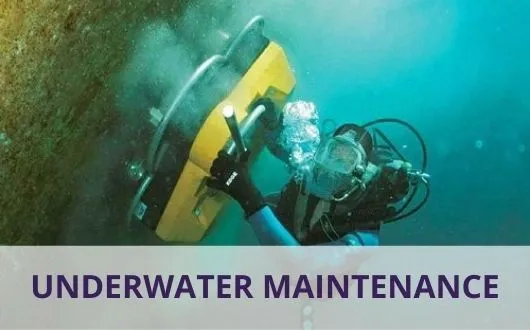
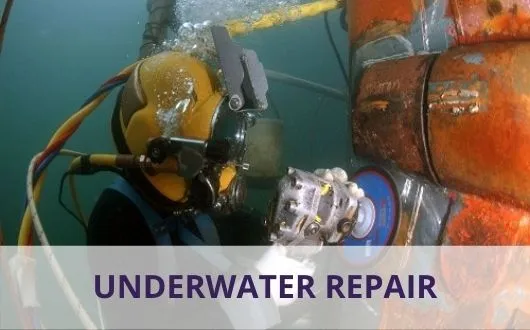
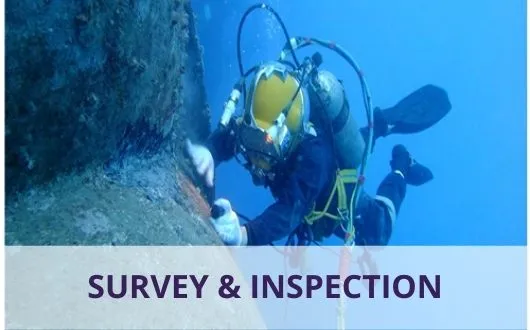
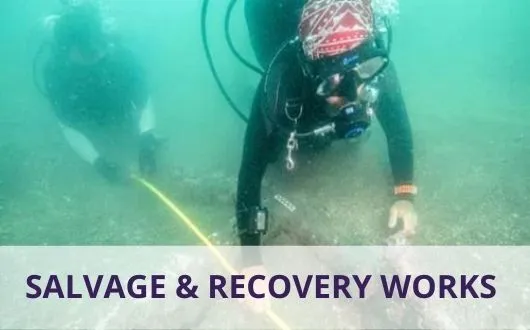
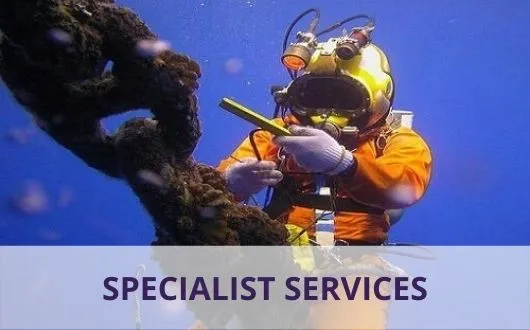
Nereus Subsea is an expert in underwater hull cleaning services. We offer you a variety of services in this regard, including but not limited to the following –
The most common ways include manual hull cleaning, powered rotary brush cleaning systems, and noncontact cleaning technology. The first method, manual hull cleaning, is usually performed on small ships such as recreational yachts and fishing boats. This is usually done by workers on the ship or even by the owners themselves. Based on the amount and nature of the biofouling, including slime, biofilm, etc., and the type of antifouling coating already present on the vessel, the manual hull cleaning many be carried out using cloths, brushes, or scraping devices.
The second method is the powered rotary brush cleaning system, which uses mechatronics equipment, especially for large vessels. In such scenarios, large brush devices are preferred for quickly cleaning flat or slightly curved areas of the hull, and small brushes are utilised for better results when cleaning the propeller. Bigger vessels might even choose a combination of multiple brushes for best results.
Thirdly, there is the simple cleaning tactic, where unpowered cleaning brushes are used to frequently remove deposits from the surface of ships. This is done manually and routinely to ensure that the surface remains clean and healthy. It is also simpler than the other two methods but cannot be used for larger surfaces or for harder coats of biofouling agents.
Finally, under the contactless underwater cleaning method, there are techniques like high-pressure water jet method, the cavitation water jet method, and the ultrasonic cleaning method. These methods are known to be highly effective and they cause minimal damage to the vessel, as long as they are used properly, and by experienced professionals.
As experts in the arena and armed with years of experience, Nereus Subsea undertakes a complete evaluation of your underwater hull cleaning requirements before suggesting the best method for your needs. You can trust that we have your best interest at heart, always.
Are you now wondering about what advantages you will receive from this endeavour? Well, our specialised and niche hull cleaning services help you with the following important aspects and offer you benefits such as –
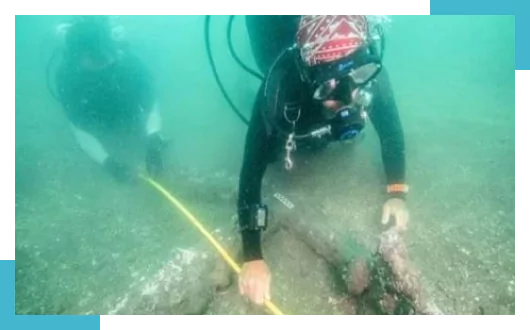
Underwater hull cleaning is the process of removing marine growth such as algae, barnacles, slime, and shells from a vessel’s submerged hull, propeller, rudder, and sea chests while the vessel remains afloat. It helps maintain operational efficiency and reduces drag.
Regular hull cleaning helps:
Cleaning frequency depends on:
When performed correctly using the right tools and techniques, hull cleaning does not damage antifouling coatings. Soft brushes and non-abrasive methods are used on delicate areas, while harder brushes are reserved for tougher fouling on suitable coatings. Professional cleaning helps retain coating performance and can reactivate biocide layers on many antifouling paints.
Typical areas cleaned during an underwater hull cleaning include:
Marine fouling increases drag, forcing engines to work harder. A clean hull allows smoother movement through water, resulting in:
Not all ports allow in-water hull cleaning due to local regulations on biofouling and debris containment. Approval depends on the port authority, environmental rules, and the type of antifouling coating. Operators typically check with their local agent or service provider to confirm port-specific compliance.
Yes. Most hull cleaning jobs are performed while the vessel is at anchorage, alongside berth, or during cargo operations — as long as port regulations permit it and sea conditions are safe. This minimizes downtime and avoids the need for unnecessary dry-docking.
The cleaning duration depends on:
Propeller polishing is usually treated as a separate service, although it is commonly requested along with hull cleaning. A polished propeller reduces cavitation, vibration, and power loss, improving overall propulsion efficiency.
Professional services use a combination of:
Yes. After cleaning, a detailed underwater report is typically provided, including:

 Start Chat